There are reports there is a possibility that the U.S. government will commence large-scale wage garnishments beginning in January 2026. This could trigger anxieties among workers who fear abrupt deductions of their wages. Videos, social media posts and misleading headlines have heightened fears, frequently suggesting that the average taxpayer is about to be deprived of money without notice.
The truth is much more complex. Garnishment of wages is a legitimate and legal tool for enforcement however it is not have a universal application and there’s no nationwide garnishment plan that is set to launch on January 20, 2026. Garnishments are only available in accordance with a legally defined procedure, and only to those who are unable to settle legal or federal debts.
This article will explain what wage garnishment is what it is, the reason it is discussed in January 2026 as a possible date, who might get affected by the process, what it operates, how garnishment is prevented, and how to guard yourself against common frauds.
What is Wage Garnishment and why does it happen?
Wage garnishment can be a legally-enforceable procedure that permits a government agency or a court to order an employer to defer part of an employee’s earnings to pay back the amount owed. It’s not an automatic process, not sudden and is is not available to affluent taxpayers or employees.
Federal wage garnishment is typically only following:
- Unpaid debts have remained unpaid for a considerable time
- Many notices have been issued
- Administrative or legal due process is complete
The most frequent causes of federal garnishment are described below.
| Garnishment Type | Trigger |
| Federal Tax Debt | Insufficient balance due to repeated IRS notices |
| Student Loans | Student loans from the federal government that have defaulted |
| Child Support | Obligations imposed by the court |
| Court Judgments | Federal legal rulings |
| Other Federal Debt | Treasury Offset Program actions |
| Official Website | https://studentaid.gov/ |
Most of the time the authority that enforces laws is usually the Internal Revenue Service or which is the U.S. Department of Education or another federal government agency operating within the Treasury authority.
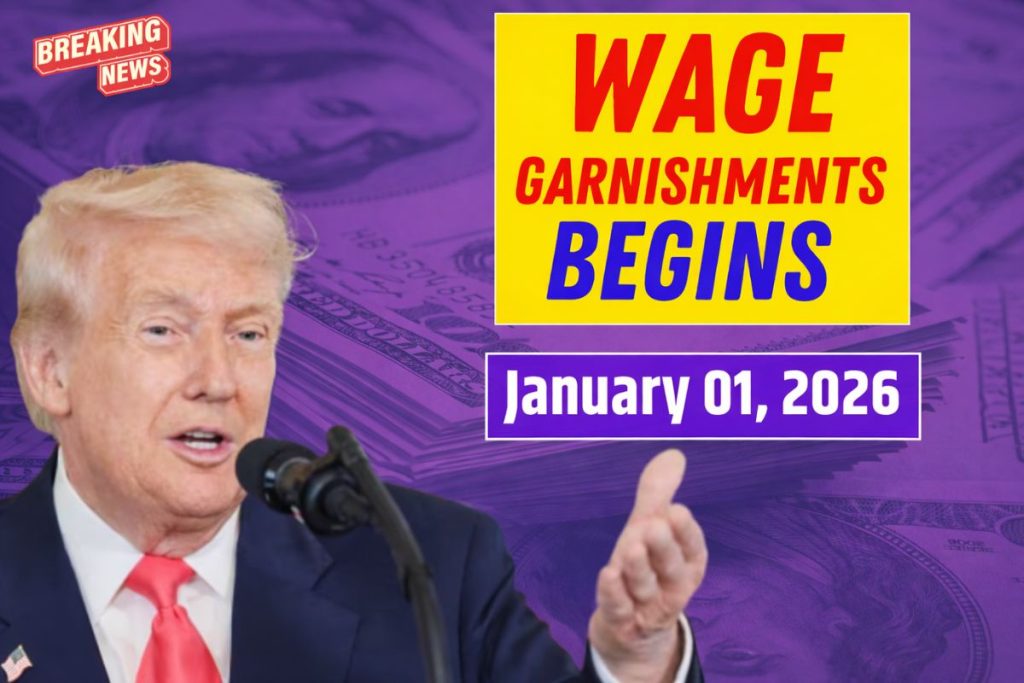
Is January 2026 a new Nationwide Garnishment Date?
There is no HTML0. There is no one-size-fits-all policy that will take effect in January 2026, which automatically increases wages for all employees and retirees as well as taxpayers.
Then why is Jan. 2026 appear in the headlines?
The real reasons behind the Timing
- Normalization of enforcement: Federal agencies periodically begin or intensify enforcement following delays or backlogs.
- The new fiscal year activities: January often marks an administrative re-election in the wake of the year-end process.
- Confused public: Tax season preparation and reminders for debt increase the visibility, making the rumors appear plausible.
It is important to note that there isn’t any public announcement, law, or regulation declaring that January 2026 will introduce the mass garnishment of wages. Garnishments continue to be imposed on a case-by case basis like they have always been.
Who Are Most Likely To be impacted
Although the majority of workers do not be subject to garnishment of wages, some groups are more at risk because of not being able to resolve their obligations.
There is a chance that you could be at risk only in the event that you fall in one or more of the categories below:
- You’ve been ignoring numerous IRS or Federal notices
- You owe long-standing unpaid federal taxes
- You’ve defaulted on federal student loans.
- You’re not paid child support ordered by a an order of the court
- You didn’t take action to formal legal notices or a hearing
Who is Not at Risk?
- Current workers on their tax and other outstanding debts
- People who are active on payment plans
- Respondents to the notices and settled disputes
- employees with no private debts (handled differently)
If you’re consistent and attentive, you are not listed on any list and no abrupt garnishment is likely to occur.
The Garnishment Process Actually Works
One of the most commonly-held misperceptions that people have is the federal government can be able to garnish wages without notice. However the law of the federal government requires strict due procedure.
Step-by-Step Garnishment Process
- Initial Notice issued
The company issues a an official written notice describing the amount and amount owed. - Follow-Up Notices and Warns
Multiple reminding notices may be sent out over months or even years. - Right to Reconsider or Appeal
You have time to challenge the amount owed, request an hearing or make payment arrangements. - Last Notice of Interest to Garnish
A official notice that says garnishment will start in the event of no action being taken. - Notice to Employer
Only once all steps have been completed is the employer notified of instructions. - The Limited Wage Withholding Period Starts
Employers can withhold just the legally permitted amount but not the entire paycheque.
This method ensures that garnishment is an option of last option and not the first option.
What Can You Earn by Wages?
Federal law imposes strict restrictions on the amount of income which may be garnished.
General Limits
- A small portion from the disposable earnings only (after the mandatory deductions)
- Limits differ based on the type of debt (tax support for children, tax or student loans)
- Some income amounts are secured
For instance:
- Student loan garnishment in the federal government has a cap by 15 percent of your disposable pay
- IRS garnishment adjustments are based upon the status of your filing and exemptions
- Child support could allow greater amounts under court orders
Essential living income is guaranteed by federal law.
How can you stop or avoid Wage garnishment?
No. Garnishment is often prevented if the action is taken in time.
Common Methods to Stay Away from Garnishment
- Installation payment plan through the IRS
- Offer in the form of a compromise to settle tax debt
- Hardship relief or currently-not-collectible status
- Rehabilitation of federal student loans or consolidating
- Attending hearings, responding to notifications and responding
The main factor is the timing. A timely communication significantly reduces the chance of garnishment of wages.
What to Look For Now (Before Jan. 2026)
Instead of focusing on headlines, workers should concentrate on the actual checkpoints:
Tips to Take Smart Steps
- Check the mail of federal agencies with care
- Log in to the official IRS or loans servicer accounts
- Verify your tax filing and payment status
- Make sure you update your information with the government agencies
- Respond quickly to any notices
If you’re not receiving an formal written notice, it is possible that there’s no active garnishment procedure in progress.
Common Scams to Look Beware of
Fearful times often attract fraudsters. Garnishment of wages rumors are commonly used to take advantage of individuals.
The Red Flags Of Garnishment Fraud
- The threat of immediate seizing of paychecks
- For payment requests, you can use crypto, gift cards, or wire transfer
- Calls make claims of “final Notice” without any prior notice
- Texts or emails that ask for personal information
- Fake websites that claim to be IRS and Treasury portals
The true government doesn’t threaten abrupt garnishment via phone, text or via email. All legitimate actions begin with official mail-in notices.
Key Points in a Snapshot
- The mass garnishment of wages will not begin until in January 2026.
- The Garnishment is only effective after legal notification and due procedure
- The majority of employees don’t suffer and are unaffected
- The debts that are owed must not be resolved and due
- Garnishment fears and scams are not uncommon.
What causes wage garnishment headlines to cause Confusion
The issue of wage garnishment is complex emotional, traumatic, and is often not understood. When it is combined with
- Tax season stress
- Costs of living for households are rising.
- Online misinformation is growing
Even routine enforcement activities is often misinterpreted as a broad new policy. The process is understood and can prevent unnecessary anxiety.
Although the wage garnishment process is a legitimate federal tool for enforcement however, the federal government has no one universal January 2026-based program that targets the majority of workers. Garnishment is a problem for only those with unpaid debts imposed by the federal government or the court following a series of notices and legal protections.
For the majority of people, there’s nothing new to worry about. Being aware by getting official letters, being responsive quickly to notices and addressing debts in a timely manner are the most effective methods to ensure that you don’t lose your paycheck.
The most reliable information is not viral. It’s the best way to protect yourself from financial stress and fraud.
FAQ’s
Q1. Does wage garnishment begin automatically for everyone on January 20, 2026?
There is no automatic wage garnishment. The law does not permit no automatic, nationwide wage garnishment beginning from January 20,2026.
Q2. What can I do to determine whether I’m at risk of a wage garnishment?
will receive several official notices in writing by authorities like the IRS or another agency of the government far in advance. If you’ve not received any notices and your debts or taxes are in order, you are not in danger.
Q3. Can wage garnishment be stopped once notices are issued?
Yes. In a majority of situations, garnishment may be avoided by establishing the payment plan or debt settlement or hardship relief rehabilitation of loan so long as you respond promptly to official notifications.